

Jakarta, May 13, 2026 — PT Pertamina Geothermal Energy Tbk (PGE) (IDX: PGEO), as a geothermal-based renewable energy company, continues to strengthen its role in supporting Indonesia's Net Zero Emission (NZE) target and contributing to the Nationally Determined Contribution (NDC) by providing low-carbon energy. Although its business has become part of the low-emission green energy sector, PGE consistently implements various energy efficiency and emission reduction initiatives across all business lines and operations. These efforts are part of its sustainable operations implementation.
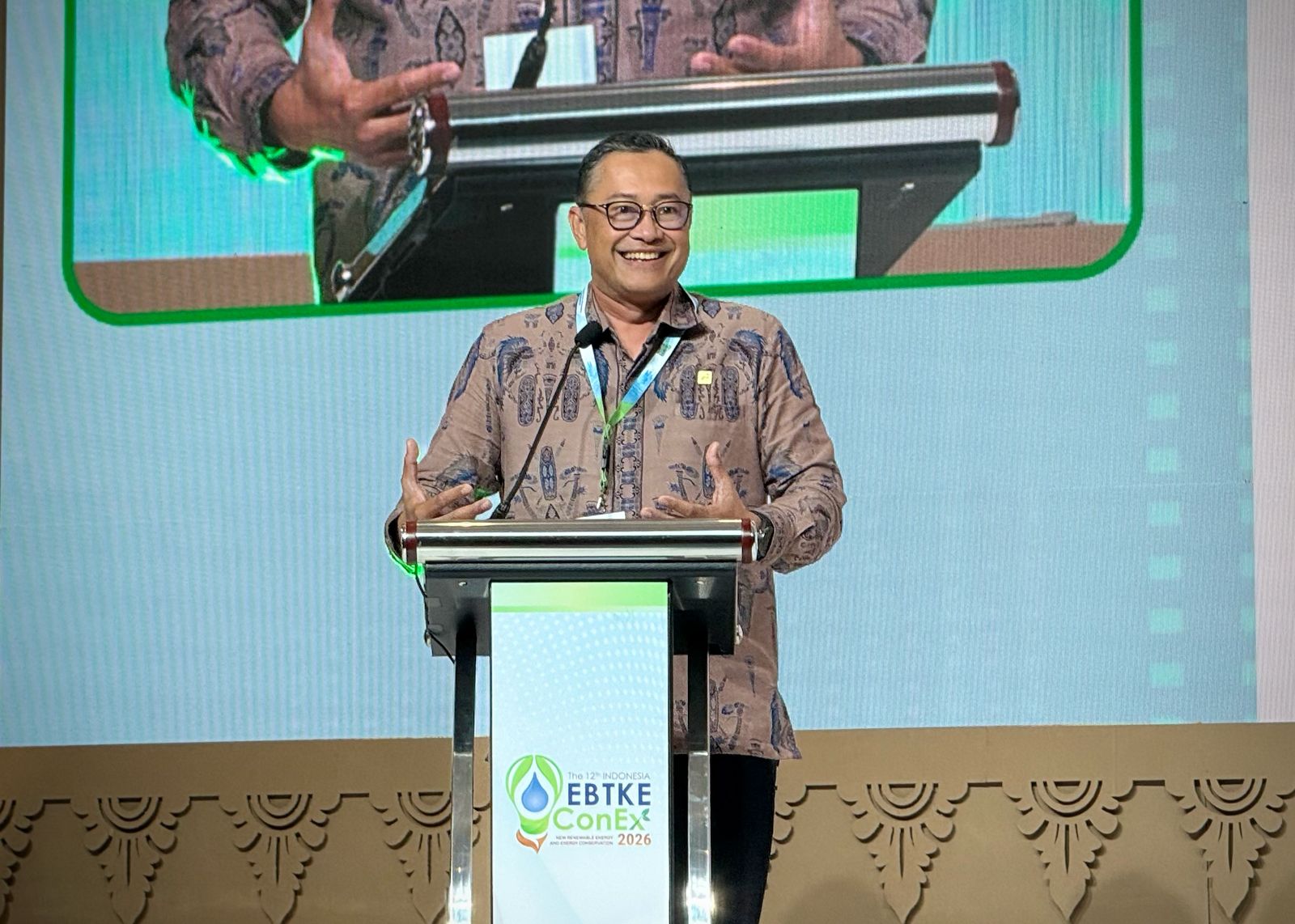
PGE Operations Director Andi Joko Nugroho stated that the consistent implementation of sustainability practices is crucial to ensuring reliable, efficient, and competitive geothermal development.
Andi added that all of the Company's sustainability implementation is carried out transparently, adhering to global reporting standards. The Company's sustainability reporting has also been verified by an independent AA1000-licensed institution with moderate assurance level type 1 and type 2 qualifications.
According to the 2025 Sustainability Report, PGE recorded energy savings of 90,502.28 MWh throughout last year, a significant increase compared to 40,058.77 MWh the previous year. This efficiency increase was driven by various operational optimizations in several geothermal working areas (WKP), including debottlenecking the production line in the Ulubelu Area, which allows low-pressure wells to enter the production system, optimizing vacuum pump operations in the Gas Extraction System at all PGE geothermal power plants to reduce own-use, and modifying the hand control valve at Lumut Balai to minimize steam loss to the rock muffler.
Furthermore, the Company continues to promote various energy efficiency and emission reduction innovations, including the use of renewable energy for internal operational needs, such as the use of Solar Power Plants (PLTS) in operational facilities and offices. This step is being taken to optimize the use of geothermal electricity and steam to make a greater contribution to the national electricity system.
On the other hand, PGE recorded an energy intensity ratio of 0.037 MWh/MWh in 2025, a 10.10 percent decrease compared to the previous year. This ratio represents the ratio of the Company's total energy consumption to the total geothermal electricity produced. This achievement reflects the increasingly efficient use of energy to support the company's operations. Meanwhile, the use of renewable energy in operations remains high at 94.36 percent.
In terms of emissions management, PGE's emissions intensity was recorded at 41.12 g CO2e/kWh, well below the EU Taxonomy and Indonesian Sustainable Finance Taxonomy threshold of 100 g CO2e/kWh. This achievement demonstrates that PGE's geothermal operations remain within the low-carbon energy category. At the same time, PGE's geothermal operating capacity contributed to the avoidance of emissions of more than 4.29 million tons of CO2e by 2025.
Strengthening 4R Practices and Water Efficiency Across Operations
In addition to promoting energy efficiency and emission reduction, PGE also continues to strengthen sustainable non-hazardous waste management through the 4R approach (Reduce, Reuse, Recycle, and Recovery). In 2025, the volume of non-hazardous waste successfully managed through this approach reached 17 tons, a 24.5 percent increase compared to 13.66 tons in 2024.
This sustainable waste management is carried out through a waste circularity approach, implementing scheduled and responsible non-hazardous waste management. This non-hazardous waste is transported to waste banks and/or final processing sites (TPA) outside PGE's operational areas to be managed collaboratively with the community through sorting, reuse, recycling, and composting. This step is taken to support waste management based on the 4R principles and encourage community participation in the circular economy.
Meanwhile, PGE continues to strengthen responsible water resource management as part of its sustainable operations implementation. In 2025, the company's water consumption is projected to decrease by 33.31 percent to 262.24 megaliters, compared to 393.23 megaliters in 2024.
Continuous Innovation to Utilize Clean Energy
This commitment is also realized through developments beyond electricity, including a geothermal-based green hydrogen ecosystem. One example is the Tanjung Sekong Green Terminal project, which utilizes geothermal-based green hydrogen to support the energy needs of the Cilegon LPG terminal. This innovation is part of the effort to provide cross-sector decarbonization solutions.
PGE also continues to explore opportunities to develop geothermal energy utilization for other green industrial needs, including the development of a green data center based on clean, low-emission energy.
In line with this strengthening of sustainability implementation, the Company's ESG management continues to demonstrate positive performance. This is reflected in the Sustainalytics ESG Risk Rating score of 7.1, or negligible risk, achieved in 2025. This score places PGE as the only Indonesian company in the Global Top 50 ESG rankings out of 42 countries. This achievement reflects the Company's strong ESG implementation globally, particularly in the management of environmental, social, and corporate governance risks. In addition, the Company has received various awards and recognition, including 20 Gold PROPER awards through 2026 from the Ministry of Environment/Environmental Control Agency.
"Geothermal development is not only focused on providing clean energy. PGE also ensures that all operations are carried out responsibly, efficiently, and provide sustainable benefits to the environment and surrounding communities. Therefore, strengthening ESG practices and implementing sustainable operations will continue to be the Company's priorities going forward. This commitment is carried out in line with PGE's four pillars of sustainability: Nature, Zero Emission, People & Socioeconomics, and Transformation Catalyst," explained Andi Joko Nugroho.
As a new and renewable energy source, geothermal energy is a reliable baseload source capable of generating stable electricity 24/7 without relying on weather or fuel imports. These characteristics make geothermal energy a crucial role in supporting the low-emission energy transition while strengthening national energy security and independence.
***
About PT Pertamina Geothermal Energy Tbk
PT Pertamina Geothermal Energy Tbk (PGE) (IDX: PGEO) is part of the Power & New Renewable Energy (PNRE) Subholding of PT Pertamina (Persero), which operates in the exploration, exploitation, and production of geothermal energy. PGE currently manages 15 Geothermal Working Areas with an installed capacity of 1,932 MW, consisting of 727 MW operated and managed directly by PGE and 1,205 MW managed under a Joint Operating Contract (JOC). The installed geothermal capacity in PGE's working areas accounts for approximately 70 percent of Indonesia's total installed geothermal capacity, with the potential to reduce CO2 emissions by approximately 10 million tons of CO2 per year.
As a world-class green energy company, PGE aims to create value by maximizing the end-to-end management of geothermal potential and its derivative products and participating in the national and global decarbonization agenda to support Indonesia's net-zero emission target by 2060. PGE has excellent ESG credentials, with 20 Gold PROPER awards from 2011 to 2026 from the Ministry of Environment/Environmental Control Agency. PGE is also a company with very low ESG risk, which places it as number 1 out of 679 companies in the Global Utilities Sector in the Sustainalytics ESG Risk Rating.