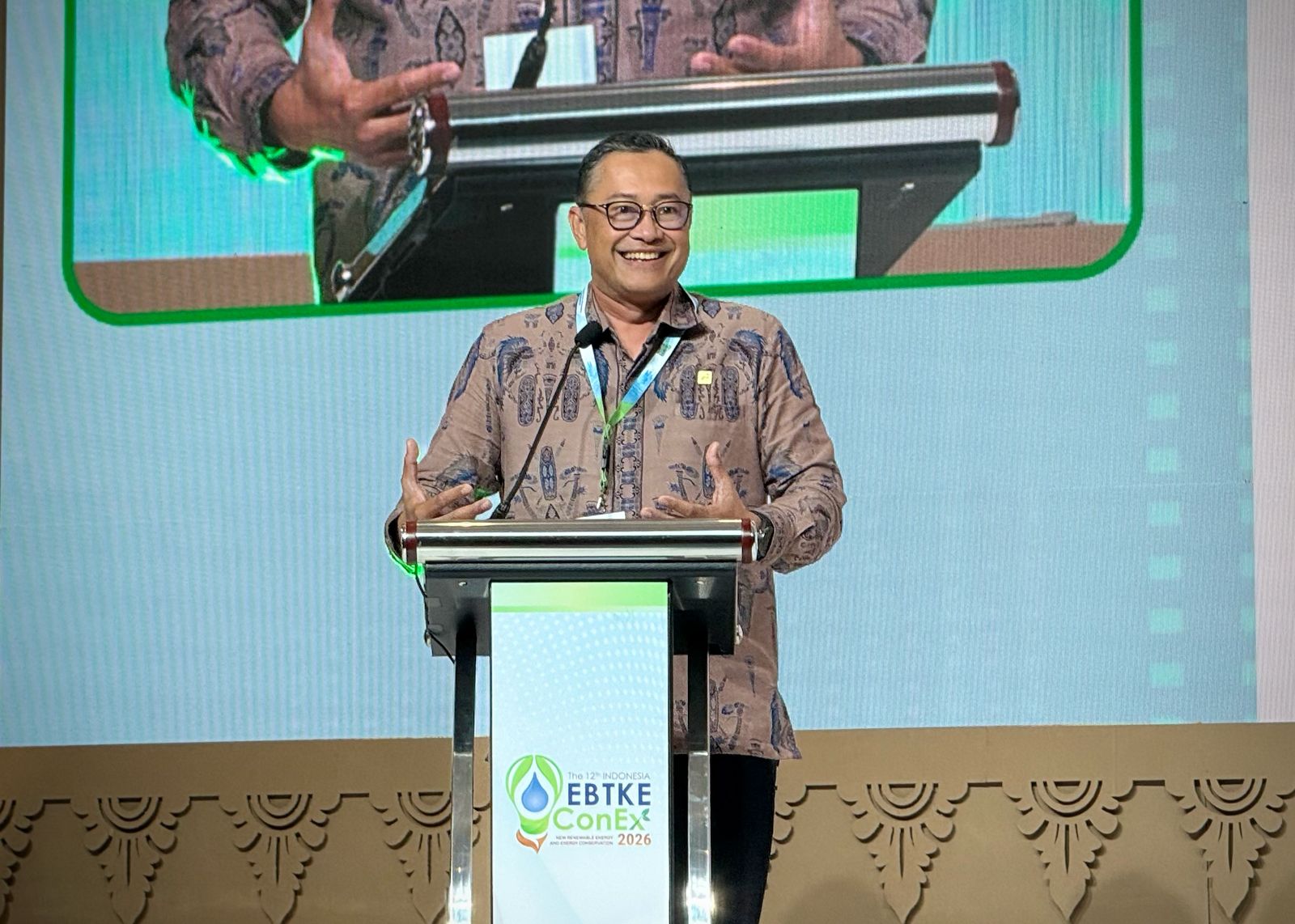


PT Pertamina Geothermal Energy Tbk (PGE) (IDX: PGEO) reaffirmed its commitment to supporting the global energy transition by participating in the New Zealand Geothermal Workshop (NZGW) 2024, held from November 19 to 22, 2024, in Auckland, New Zealand.
During the keynote session on Wednesday (20/11) themed “Geothermal Development in Indonesia: Current and Future Directions,” PGE President Director Julfi Hadi shared a strategic insight on how Indonesia, as the country with the world's second-largest geothermal potential, can play a transformative role in the global energy transition while cementing its position as a green energy leader
Julfi Hadi highlighted that Indonesia boasts geothermal energy potential of 24 GW, yet only about 10% has been tapped. As the only renewable energy source capable of providing a baseload supply, geothermal energy is pivotal in reducing reliance on conventional energy, achieving Net Zero Emissions by 2060, and bolstering national energy security.
“Situated within the Pacific Ring of Fire, Indonesia is endowed with world-class geothermal resources that can underpin its energy transition. By adopting a more strategic approach to geothermal development, Indonesia can meet its domestic energy needs while contributing to global green energy solutions,” said Julfi Hadi.
Julfi Hadi further outlined PGE’s role as a key driver of Indonesia’s energy self-sufficiency. To maximize its 3 GW geothermal reserves, PGE has embraced a new paradigm in geothermal development, focusing on innovative and efficient strategies to reduce costs and risks while accelerating the timeline from exploration to commercially viable operations.
Three pillars of geothermal development strategy
Julfi Hadi outlined three key strategies to accelerate geothermal capacity development:
- Innovation and Technology Adoption
PGE has introduced advanced technology such as electrical submersible pumps (ESP), binary power plant systems, and multilateral wells to enhance operational efficiency and expedite the project completion. These efforts align with Indonesia’s national target of 10.5 GW of geothermal installed capacity by 2035, which requires an annual capacity increase of 700-800 MW.
- Green Business Diversification
PGE is expanding its geothermal initiatives by exploring business opportunities, including the development of a green hydrogen pilot project in Ulubelu, Lampung. The project has the potential to produce up to 107 kg of green hydrogen daily, supporting the transportation sector and sustainable petrochemical industry.
- Global Partnership and Local Capacity Building
PGE is committed to fostering international collaboration while enhancing domestic capabilities. Efforts include technology transfer, capacity building programs, and Halaman 1 dari 2the development of domestic manufacturing for key equipment such as heat exchangers as well as locally-based operational services. during its visit to New Zealand, PGE also signed a strategic partnership with Pertamina University and the University of Auckland.
Beyond supporting the energy transition, geothermal development also creates significant economic benefits, such as generating employment and stimulating the growth of green industries. "Geothermal energy is the silent hero in combating climate change. By fully harnessing its vast potential, Indonesia can lead the charge toward a greener and more sustainable future," Julfi Hadi emphasized.
PGE's participation in this international forum underscores its commitment to not only lead the national renewable energy sector but also expand its global footprint. The workshop, attended by experts and practitioners from various countries, provided PGE with a platform to showcase Indonesia's geothermal expertise and forge strategic partnerships to support green energy development on a broader scale. Through these efforts, PGE affirms its commitment to being a pioneer in the global energy transition, transforming Indonesia into a Geothermal Center of Excellence and a world leader in sustainable energy solutions.